


Blog
🚨 Middle East Airspace Closures: Global Aviation Disruptions and Rising Logistics Pressure
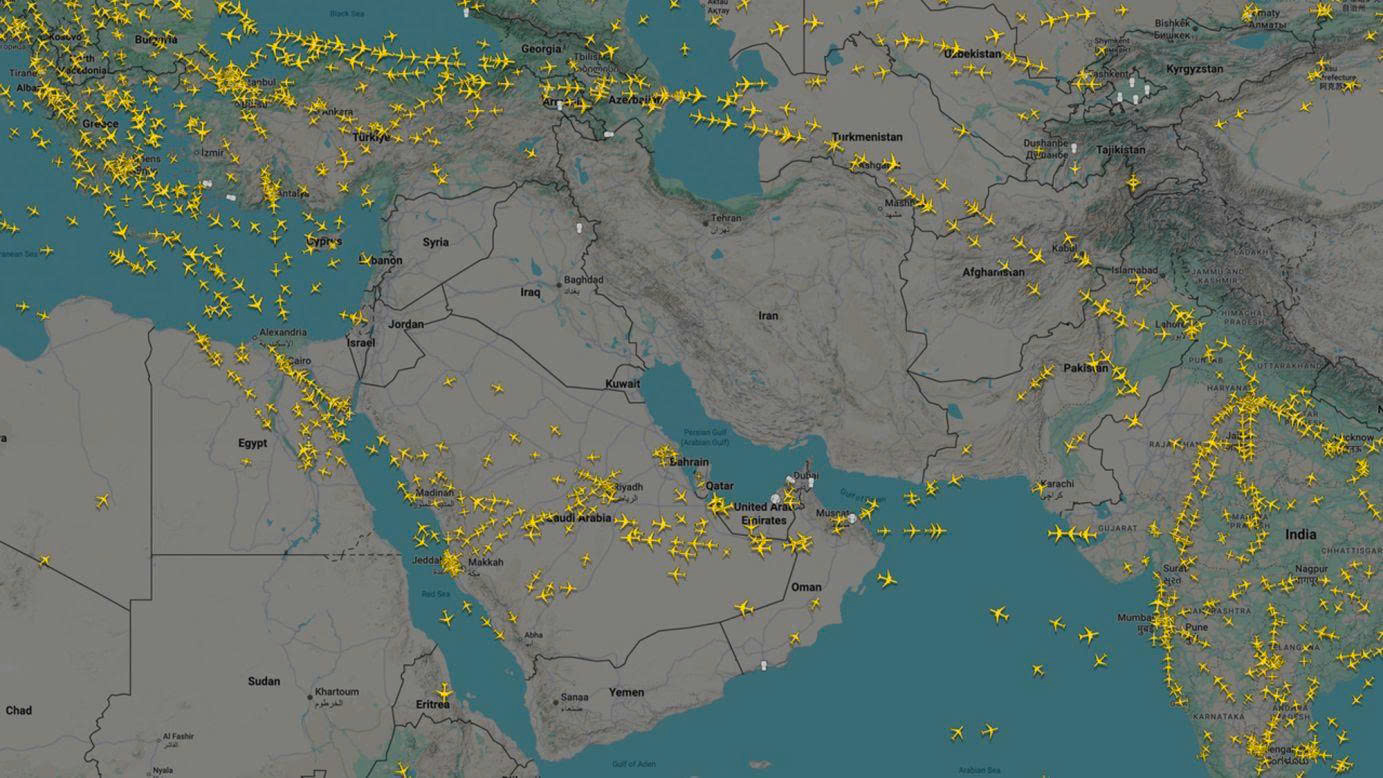
In late February, escalating geopolitical tensions in the Middle East quickly spilled over into civil aviation, as multiple countries including Iran, Israel, Qatar, the UAE, Iraq, and Jordan - simultaneously closed or restricted their airspace. This development led to the cancellation of over 4,000 flights and severely disrupted major global transit hubs such as Doha, Dubai, and Istanbul - key nodes connecting Asia with Europe and the United States.
In response, airlines have been forced to reroute flights, diverting through Saudi Arabia and the Red Sea to avoid conflict zones. These detours have extended flight durations by 2 to 5 hours per leg, not only disrupting schedules but also significantly increasing operational costs due to higher fuel consumption and additional operational risks.
The impact goes beyond delays. Longer flight times require stricter payload optimization to ensure safety, effectively reducing cargo capacity. At the same time, the reduction in passenger flights has led to a decline in belly cargo capacity - an essential component of air freight logistics. With global shipping demand remaining strong, the market has quickly entered a state of capacity shortage.
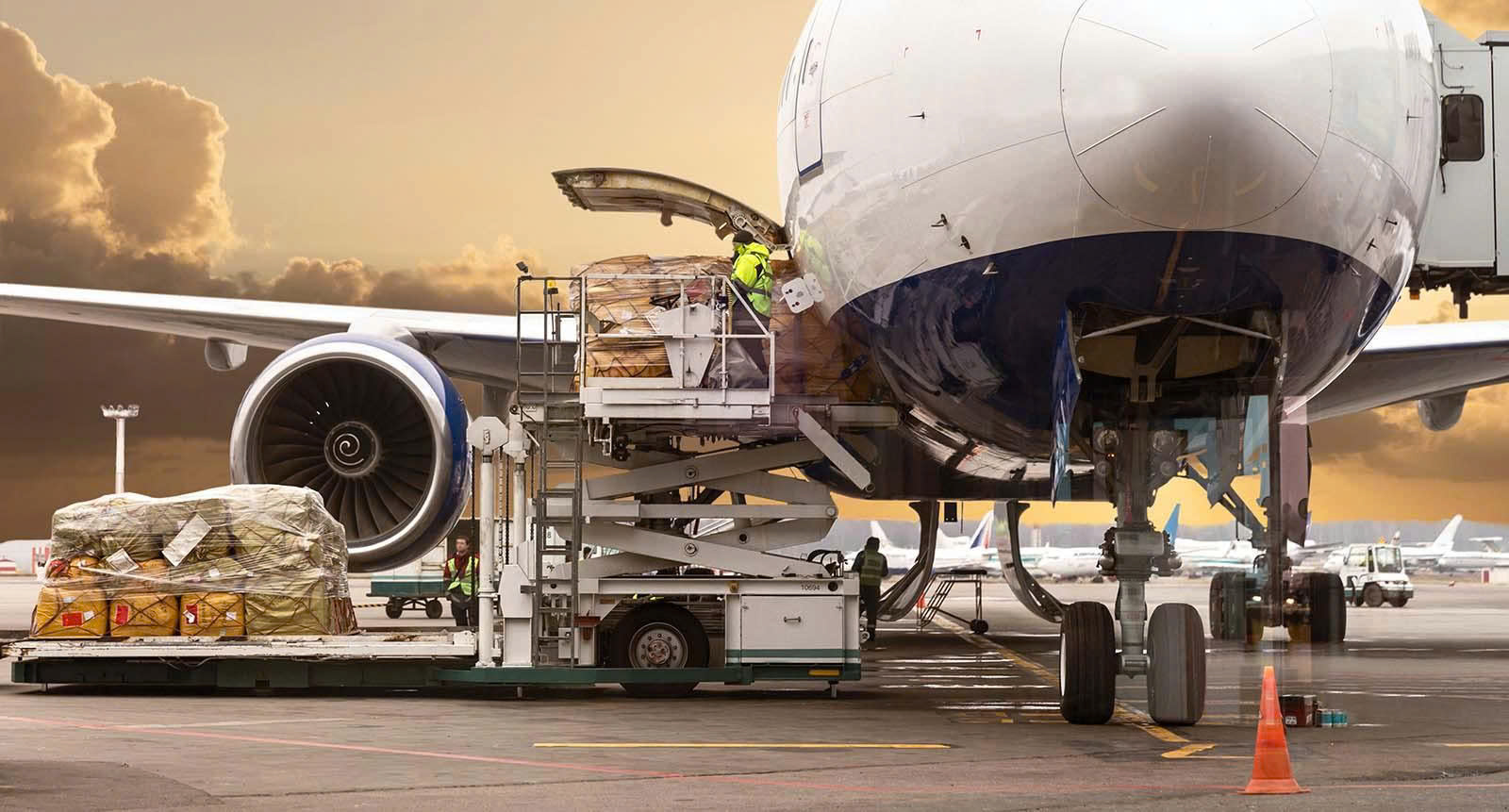
As a result, a chain reaction has emerged almost immediately: booking space has become increasingly difficult in the short term (1-2 weeks), shipments are more likely to be rolled over to later flights, transit times are extended, and air freight rates are beginning to rise, with projected increases ranging from 15% to 35%. Congestion at major Gulf transit hubs is also intensifying, causing delays not only at origin points but also at transshipment locations.
For Vietnamese sellers-especially those operating on platforms like Etsy, TikTok Shop, eBay, POD, or in seasonal product categories - this is a high-risk period. Delivery delays can directly impact customer experience, leading to lower ratings, increased late shipment rates, and higher operational costs.
In this volatile environment, GKE Logistics advises sellers to stay proactive in monitoring the situation and maintain close coordination with their logistics partners to stay informed about current flight routes and potential disruptions. When logistics stability is compromised, the key factors are no longer just cost, but the ability to maintain reliable timelines and transparent communication-both critical to protecting customer experience and cash flow.
In times of high uncertainty, sellers who can effectively control their logistics operations will maintain a competitive edge. In cross-border e-commerce, on-time delivery is not just part of the process-it is a decisive factor for the survival of the entire business.
Minh Duc (Edras)
Contact
GKE Logistics is always with you 24/7. Even outside of working hours, we still receive online requests and provide the fastest possible support.